Tag Archives: Australian Primary Teacher Blog

READING: Two presentations complete and I’m still learning!

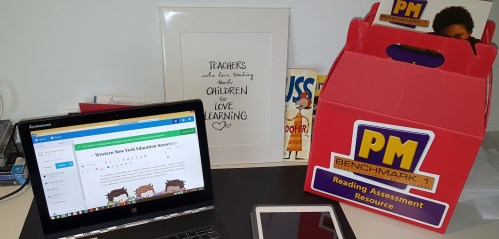
This week I presented the new PM Benchmark Reading Assessment RAR for Cengage Learning and other resources which support comprehension. I’ve always loved PM for many reasons. The PM Assessment RAR impresses me because it provides ‘point of need’ information. I’ve snipped a few of my slides to share here.

My first presentation was for a small group of teachers and I thank them for coming. I enjoyed chatting to them and ‘soaking up’ their commitment and passion for what they do!

My second presentation was to a much larger audience and I had the opportunity to speak to a number of them after the presentation. They were amazing and inspiring! Some were working in special education settings and I loved the commitment they had to maximizing the potential of all students.

Teacher Judgement and Student Learning: There will always be a need for teacher judgement. We know our students! Regardless, we must have accurate assessments to plan for future learning.

Teacher Judgement

Philosophy

I love the fact that the philosophy of PM starts with success and enjoyment. We want our students to love reading and understand what they’re reading at their point of need.

Core skills

These six core skills are the main skills and I’m saying it.  We need to unpack and build a deep understanding of what each means in terms of teaching and learning.

strategies

Given how busy teachers are we need to be…

blog effective

effective definition

Allocating our time carefully to make sure what we are doing will be effective in our classrooms is vital. Being constructive, productive can mean evaluating what we are doing and making changes.

How can it be used.

What I really love! This is just an example of a few future learning goals for a student I assessed. There is so much more! And the assessment and online RAR gives me this information about the student so I can plan. This is just a snippet…

Recommendations

Planning teams

Unpacking future learning goals in teams and what it means at different stages of reading is powerful and effective use of our time. The online program can have as many students as you want – whole school data.

I’ve snipped a copy of a document I’ve printed which will guide my future planning for this student. It contains recommended learning goals for reading behaviours, retelling and comprehension and I can also add my own. I’ve also printed a document which tells me what the student is doing. Effective!

Emma RAR

There are so many amazing resources which I’m loving which support comprehension!

NLDL

Next week I’m in QLD! Above photo: Love the NLD Comprehension…

Tuesday 10/5 – Robina: Improving Comprehension Skills

Wednesday 11/5 – Camp Hill: Assessing and Teaching Reading Comprehension

Thursday 12/5 – PM Benchmark and New Digital Software

Cheers Nina
 

2 Comments

Filed under Uncategorized

Implementing Change in Teaching and Learning

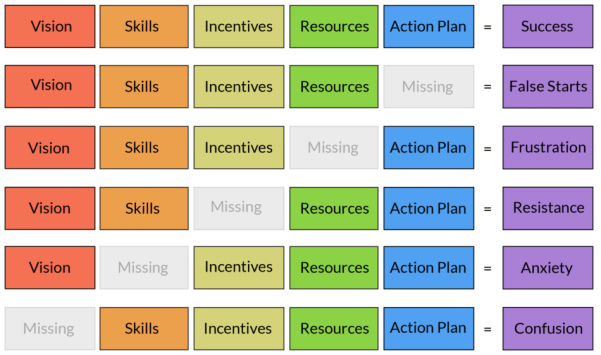
Change-Agent-Chart

There are many different versions of the above chart. When this, or a similar chart was introduced to me it gave me clarity around the issues needed to promote, implement and sustain change. The change could be minor or major, it doesn’t matter because the elements for any change need to be in place.

Simply, if one of the key drivers of ‘change’ isn’t in place, the outcome is detrimental to the overall success of a program etc.

12439093_10153689901384132_8793394185808958194_n

When investigating something new e.g. a new program I need to think about these questions.

What do I know?

What do I want to know?

How will I find out?

What have I learned?

What action will I take?

What further questions do I have?

Once these questions are investigated and whatever is being changed is seen as valuable, then the implementing change chart is a fantastic reference point. Are the following key components of change in place?

Vision

Skills

Incentives

Resources

Action Plan

During my years of teaching, particularly in my earlier days, I’ve seen a number of very worthwhile curriculum initiatives not get off the ground or disappear because one or more of the key drivers wasn’t in place. What could have and should have led to improved teaching and learning for students fell by the wayside.

Anyone impacted by change needs to share the vision, be mentored or professionally developed with the skills needed to implement the change/program, know the purpose/incentives i.e. improved learning for students, have the resources required, and a detailed plan to add to the resources overtime built into an action plan which directly addresses all key drivers.

The impact of not getting things right is detrimental to the sustainability and overall success of a program. It doesn’t mean that a program won’t happen, it will just not be as effective as it could be. I’ve experienced the false starts and frustration which happens when you know a program or resource is fantastic and you haven’t got it.

Quality resources are essential and can be addressed in an action plan, whole school planning, school budget and future planning. This year I’m presenting some resources for Cengage Learning  and I’m delighted to be able to do this. It’s a casual role which I’ve taken on because I love their resources and have been using and writing about them by choice for a number of years, and now I am able to show and explain them to teachers.

The new PM Benchmark Reading Assessment Resource RAR system is fantastic. This morning I’ve been playing with the online assessment tools. To complete the reading assessment and  have at the moment, point of need data for teachers and students to set their future learning goals is just going to save so much time and provide greater accuracy.

Student data, class data and school data can be accessed and exported for classroom and whole school planning. Most importantly the assessment goals can be unpacked by teachers in planning teams for Foundation to upper primary students. This is just one example of Cengage’s resources. Cengage are  publishers so they can respond to the needs of teachers.

Cheers Nina

Leave a comment

Filed under Uncategorized

If The World Were 100 People …

Video- Good Magazine

https://youtu.be/BxXmTGBMYhw

What an amazing video showing what the world statistics would be if you shrunk the world to 100 people. So what percentage speak English? Great to use in a classroom when exploring data or percentage.

Cheers Nina

1 Comment

Filed under Uncategorized

My PM Benchmark RAR Software Review…

PM and Mum's birthday 030 (2)

Today I viewed the PM Benchmark online assessment and its brilliant. Anyone who reads my blog knows that I’m always on the hunt for something that will make a teacher’s life easier and for me that means anything that will replace photocopying reams of sheets and endless filing.

I also believe there will be less teacher error when a student is reading at pace. I’m sure we’ve all had to ask a student to stop while we annotate. It happens! This program is very easy to use.  Error rates are calculated straight away and assessing errors is quick. The reporting features would enable class and cohort data to be quickly attained.

The PM Benchmark RAR Software is an annual, site licence subscription (365 days from date of purchase). Subscriptions are $200 for unlimited teacher access for an unlimited number of students.

Features include automation of assessment:

  • retelling
  • reading record
  • comprehension
  • miscue analysis
  • reading behaviors

The summary succinctly presents all facets of the assessment along with recommendations and a copy of the reading record.

Reporting features include:

  • individual progress graphs
  • customisable group reports and graphs
  • ability to export to Excel

Nelson Cengage Learning Website

Cheers Nina

1 Comment

Filed under Uncategorized

Western New York Education Associates: My Fellowship Project: Improved student writing leads to improved reading. (Part 1)

I’m probably undertaking the longest fellowship research project known to Angela Stockman. Deciding what to research when I have so many ideas has been the hardest thing. Nailing down something that I felt could make a difference and reaffirm something I have believed for some time has been the key to my moving forward.

cutecolorssetschool4b

Is there a positive impact on reading standards when students understand there are different writing genres and each genre has its own structure?

My answer is yes, but it’s not as simple as just saying that!

What I know!  When young children come to school many start writing and can read back their writing at the time of writing. However, many of these very young learners struggle to read back what they have written when presented with their writing at a later time.

What I know!  When is the shift ? Once students have learnt basic reading strategies and can read simple books (PM Level 5 or Fountas & Pinnell Level D) we have  shift. When combined with a core sight word list comprising of 30 words learners start moving rapidly.  Further vocabulary is learnt during the reading and writing process (context). These young learners are now learning about writing genres and how a text is written. They are connecting writing to reading and reading to writing…. and when they start seeing themselves as authors and sharing their writing with others they have purpose which means shift.

What I know! Focussing on teaching genres has an impact on a student’s understanding of how authors follow a set genre plan when writing. Once young learners are writing they are  initially  introduced to a Recount structure with the Narrative genre following soon after.

When young learners understand  genre structure  and start using  structures when composing their reading comprehension soars.

Example: Students who know there is a problem and solution in a narrative will look for the problem and solution when reading a text. Students who are learning the 6 Traits of Writing (Ideas and Content, Organization, Sentence Fluency, Voice an Word Choice) will be making connections to these when reading.

When young learners make the following connections – reading to writing and writing to reading their comprehension improves rapidly.

Young learners need to connect writing to reading and reading to writing and understand how each is reliant on the other. Reading skills need to be explicitly taught but not taught in isolation. Reading and writing sessions need to link prior learning to new learning including reading and writing small group teaching and assessment strategies.

Recently Angela Stockman sent me a link to The Writing Revolution.  This article was reaffirmed the learning trends I have been recording.

For years, nothing seemed capable of turning around New Dorp High School’s dismal performance—not firing bad teachers, not flashy education technology, not after-school programs. So, faced with closure, the school’s principal went all-in on a very specific curriculum reform, placing an overwhelming focus on teaching the basics of analytic writing, every day, in virtually every class. What followed was an extraordinary blossoming of student potential, across nearly every subject—one that has made New Dorp a model for educational reform. (The Writing Revolution)

Next post: Show me the data!

Cheers Nina
1 Comment

Filed under Uncategorized

The IB-PYP: Futures Planning & Learning

https://www.youtube.com/watch?v=wKYhWmZYXDc

World Economic Forum The World Economic Forum 2014 -Skills needed in the 21st Century The World Economic Forum 2014 Skills needed in the 21st Century Video 1: What will learning look like in 2028?

video 2: How do we plan for 10, 20 or 30 years time?

These videos are worth viewing. As a trained IB teacher having extensive experience working in an IB-PYP school, I believe the IB program provides the education our students need now and will need in the future.

Video 1: Why 2028? Students at my previous school are already partaking in many of these initiatives now!

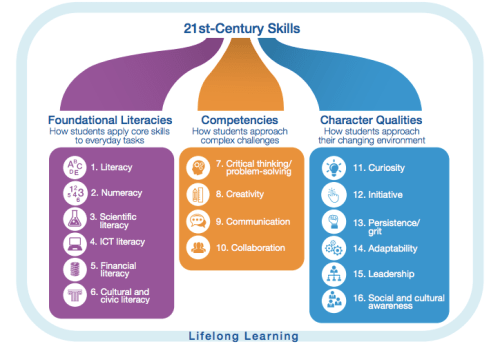
The World Economic Forum 2014 -Skills needed in the 21st Century – developed this diagram outlining the skills students will need for future employment.

Screen Shot 2016-01-26 at 11_21_55

Link: World Economic Forum

What do you think?

Tomorrow is the first day of school for students in Victoria, Australia. Some young learners will be starting school as will many new teachers. Having taught all primary levels and later specialising in younger learners I have a few comments to make.

From the moment young learners walk through the school gates they are making judgements about others and themselves as learners. Its natural for students to compare themselves with each other. We’d like to think they don’t but they do.

This is where we teachers and parents can have an enormous influence. It may seem too early but it’s essential to get the message across to our students that we all have different learning needs.

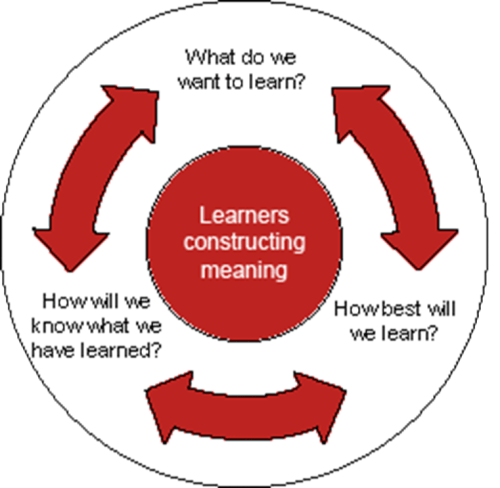
The Learner Cycle used at my previous school by all teachers and learners is personalised in classrooms to include:

What do I want/need to learn?

How  best will we/I learn?

How will I/ we know what we have learned?

learner-cycle

Personalising learning for each student is one way of avoiding learners comparing themselves. Planning learning goals is crucial and I’ll expand on this in another post.

The last point I would like to make is: 

The young learners starting their Foundation year already know a lot about learning. Our role as teachers is to help our learners make connections from what they already know to new learning. I’ve posted Piaget on Piaget and its worth looking at!

Cheers Nina

3 Comments

Filed under Uncategorized

Remembrance Day 2015: Weary Dunlop and the IB Learner Profile and attitudes.

Firstly, 2015 was a busy year so my posting was not as frequent as I would have liked. This didn’t stop me writing and recording my learning and my students’ learning. Many of my posts will be uploaded over the following weeks and cover a number of topics. My learners are 6,7 and 8 year’s old.

I’ve also taken a huge step and am no longer working in the Victorian state school system. Moving to inner Melbourne, Victoria in 2015 has meant the transit time to my previous school was unworkable long term. I will state that I was incredibly fortunate to work in an amazing school. However, I am equally excited to embrace new challenges in 2016, whatever they end up being!

Remembrance Day 2015 published on Australia Day 2016 to recognise a great Australian.

Each year our program includes the recognition of Remembrance Day. I start hunting for special picture story books appropriate to my students that will be used as launches for written responses. The books or poems chosen need to be displayed in the classroom for at least two weeks prior to being planned into the classroom program and read often. This enables young learners to develop a familiarity with the text, ask questions at home and collect further information if they choose.

071

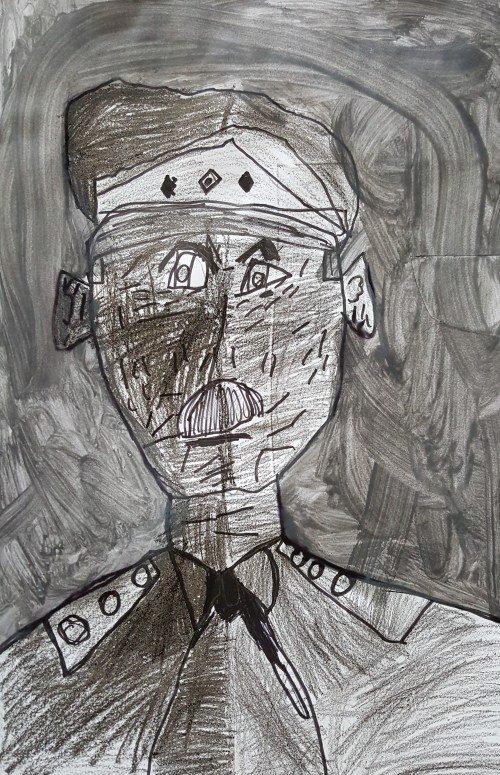
Providing an opportunity for young children to express themselves in many ways is crucial. My students were asked to create a portrait of Weary after listening to the text. We decided to limit the colors to show our feelings about this time of Weary’s life and use the illustrator’s front cover for inspiration.

077

Europe 2016 070

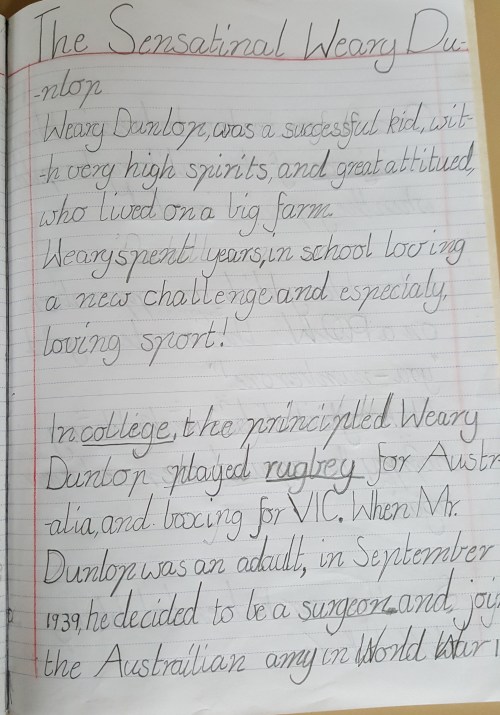
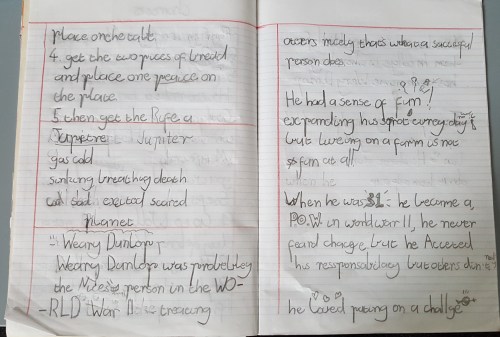
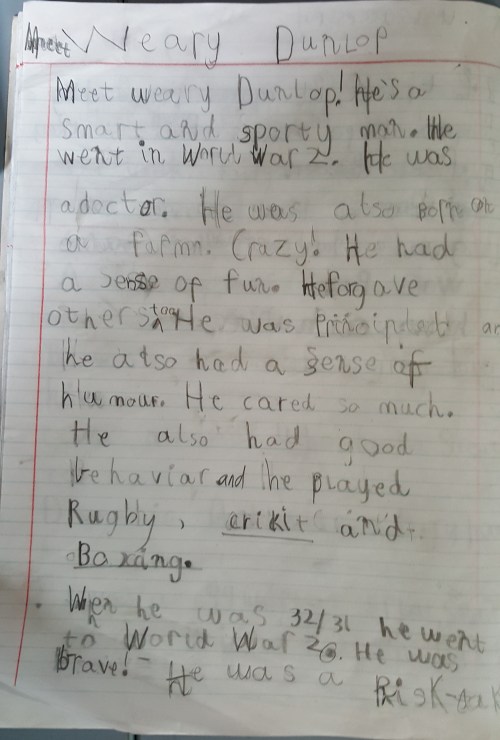
When reading their writing I was looking for links to the IB – Learner profile, attitudes and the traits of successful people. Although, I had not asked my students to make these links; I was hoping that they would. The Learner Profile and attitudes are naturally embedded into our daily discussions.

I’ve selected some random examples of my students work. Some learners have added their own elaborations to Weary’s experiences. You will notice that many of my students are using paragraphs without prompting. They also underline their spelling errors as they write and will make corrections after writing. My students know about paragraphs through an inquiry. They looked at paragraphs in books and developed their own criteria to assist them and others to use paragraphs. Some students are still experimenting with their use but are able to discuss where they could use them during a writing conference.

These young learners were also asked to think of a different heading for their response.

Europe 2016 078 (2)

Europe 2016 079 (2)

 Europe 2016 095 (2)

Europe 2016 093 (2)

Europe 2016 091 (2)

Cheers Nina

1 Comment

Filed under Uncategorized

JD – ANZAC Day 2015 – 6, 7 and 8 Year Old Australian Students Respond …

My Grandpa Marches on Anzac Day:  Recognizing Anzac Day is an important part of my program each year and needs to be planned and delivered to young children with sensitivity. Using picture story books is the most appropriate way to encourage discussion.

my-grandad-marches-on-anzac-day

ANZAC 2015 067

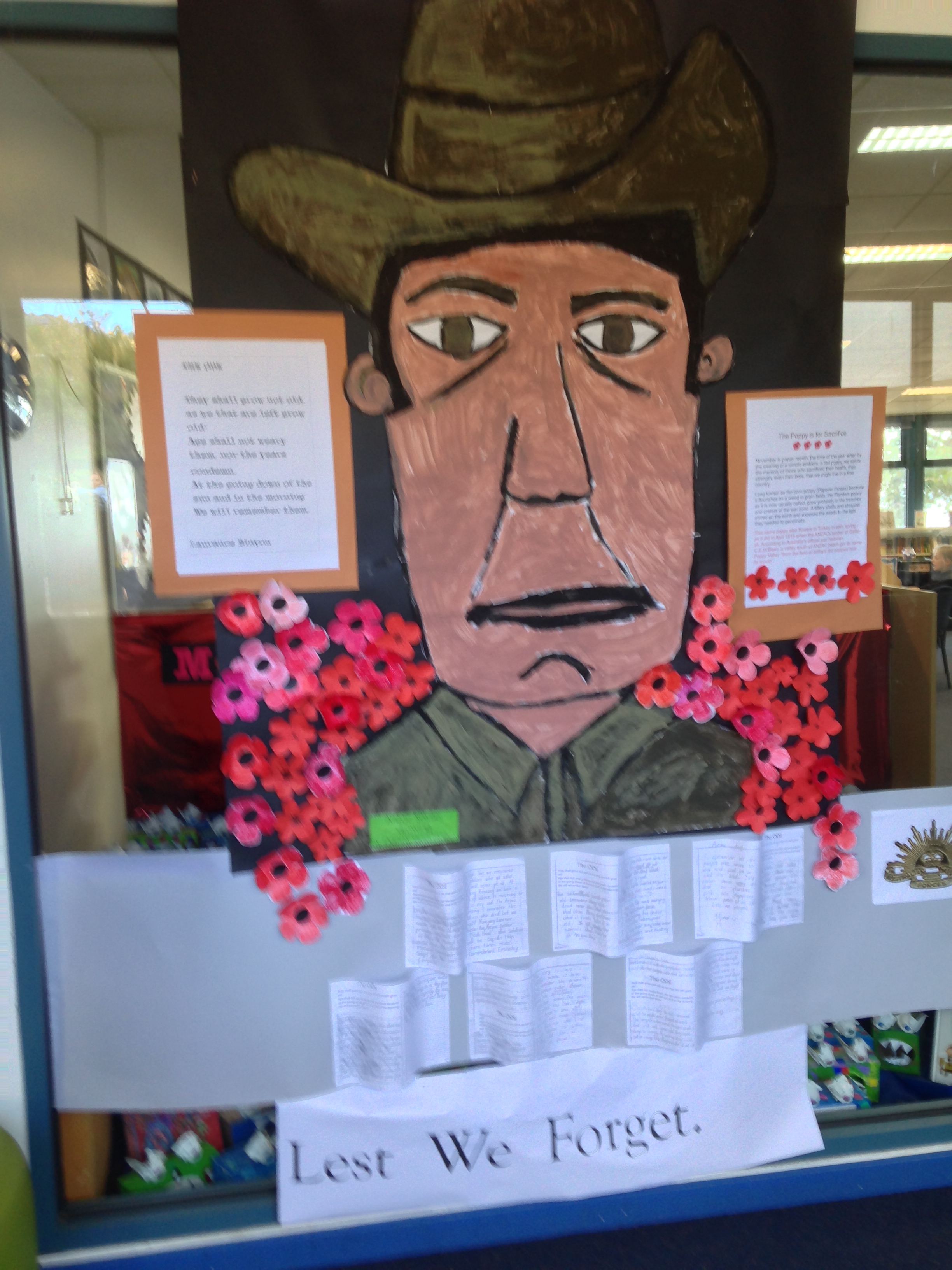
This is a wonderful picture story book which I use every year. The wonderful illustrations inspire our display. This year two children drew a large portrait of an Anzac soldier with other students painting. We made poppies in our classroom with my student’s Grandparents or special friend who visited school last week. My students then placed their poppies with their special adult onto our display.

ANZAC April 2015 029

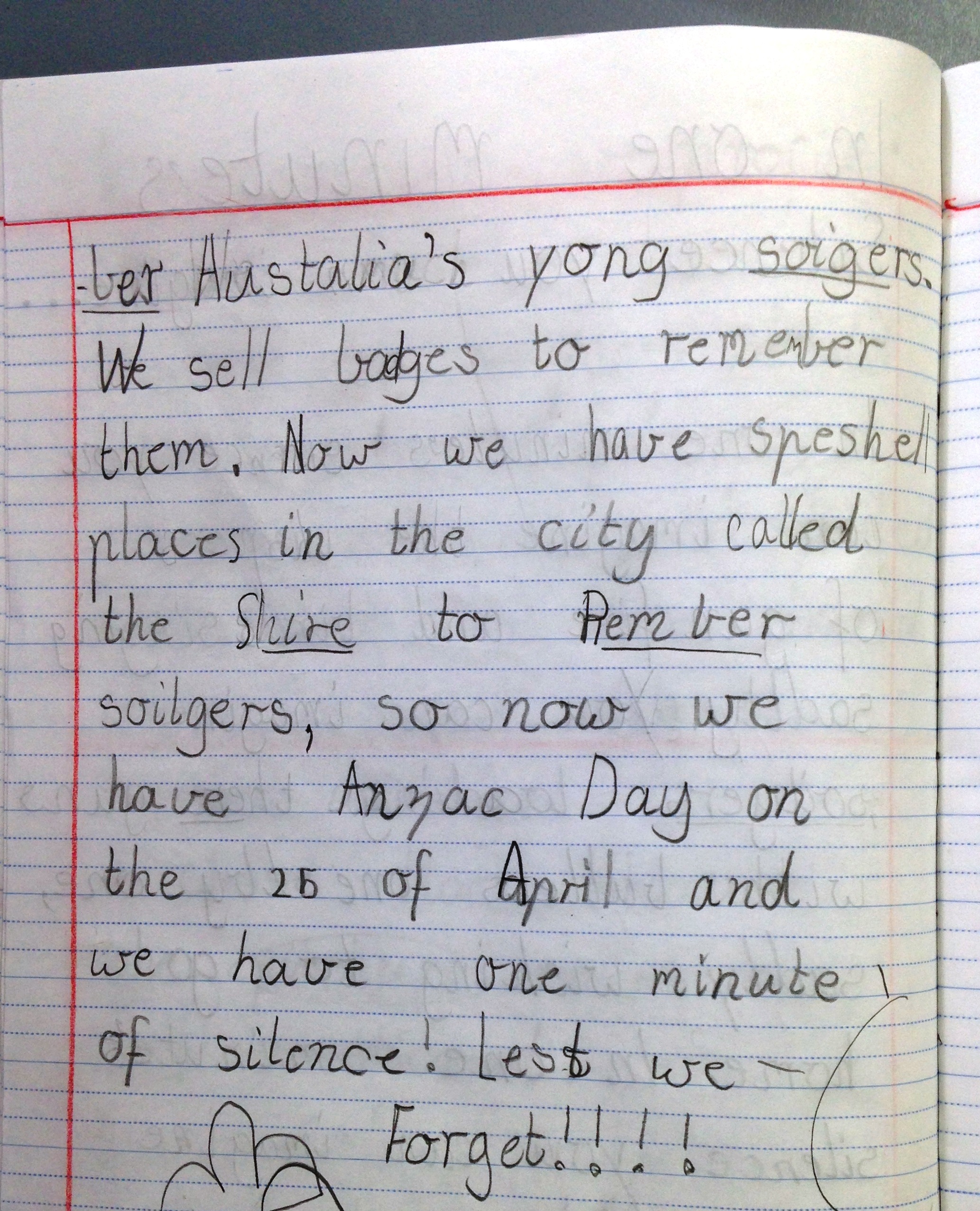
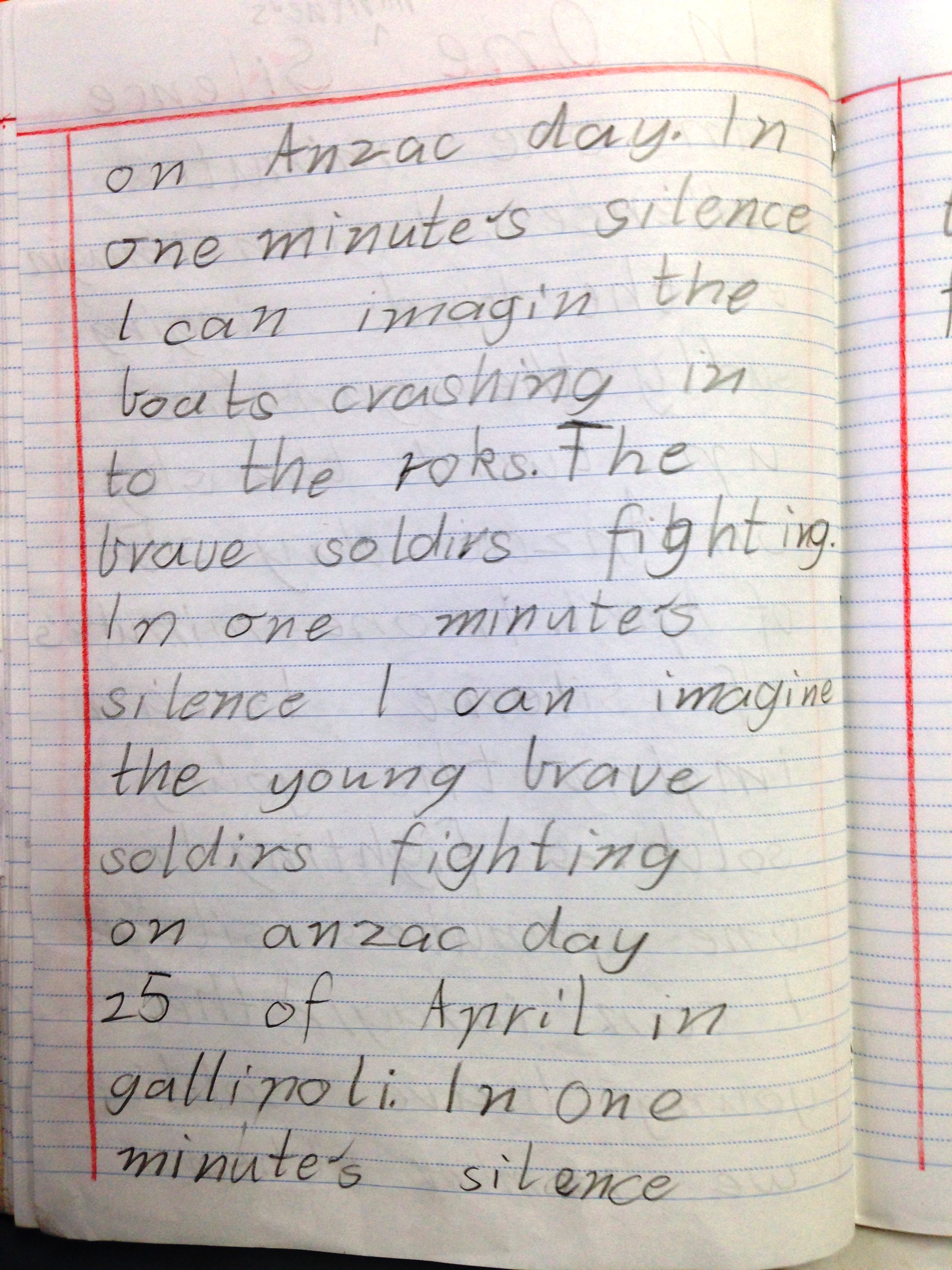
One Minute’s Silence: This picture story book is new to me. I decided to use this book as a mentor text for a piece of writing. The children were given the heading ‘In one minute’s silence … I’ve chosen a few to share here but each student’s response was very special!

ANZAC April 2015 049

ANZAC April 2015 051

ANZAC April 2015 057

ANZAC April 2015 059

ANZAC April 2015 063

These are rough drafts. My students are responsible for correcting their writing. If required, I will model back their whole piece of writing. Yes, it takes time, but the author needs to have control and ownership at all times.

Cheers Nina

2 Comments

Filed under Uncategorized

Question: What does learning Maths look like? How best will we learn? Visible Thinking & Learning!

I asked my students to write on sticky notes what they thought learning Maths looked like. After our poster was finished we discussed their ideas and related their ideas to our Learning Cycle. The children were able to talk about our learning cycle and relate our school cycle to numeracy.

The Learning Cycle enables me to reflect when planning. I need to be able to answer these questions!

What do I want my students to know / learn? How best will they learn? How will I know they know what has been taught?

Learner Cycle

Jan 2015 032

Jan 2015 033

Jan 2015 038

Jan 2015 035

Jan 2015 039

Making learning explicit to our students in all areas of the curriculum is essential.

Cheers Nina

9 Comments

Filed under Uncategorized

IB-PYP Inquiry: Relationships with each other affect how we feel and behave. Visible Thinking – Using Thinking Tools and more…

I’ve been exploring making thinking visible in all curriculum areas. Thinking tools and questioning are being taught and added to a collection of tools the children can choose from to develop perspective, vocabulary and an understanding of their world.

One of the tools I’ve been exploring with my students is Point of View. This tool can be used for all curriculum areas, whether exploring a character from a book, developing a character for a narrative, or to solve and explore a general problem. When children put themselves in the position of others, their empathy and understanding of a problem, situation or character deepens. Our inquiry for the first 8 weeks of the year has been about relationships.

Central Idea: The relationships we have with each other affect how we feel and behave.

What lines of inquiry will define the scope of the inquiry into the central idea?

  • Self Awareness (LP Attributes, Attitudes, Skills, Mission Statement, Essential Agreement, School Pledge)
  • How we develop relationships (What is  relationship? What relationships do you have in your life? What makes it a relationship?
  • Roles and behaviours within relationships (Scenarios, Role playing, Photos of LP Attributes, Essential Agreement)
  • How relationships affect us (Good, Bod, Reflections task board/Think board- develop their own)

What teacher questions/provocations will drive these inquiries?

How do we develop and maintain healthy relationships?

What makes a supportive relationship?

What/why do actions help to build healthy relationships?

My students have been exploring the relationships they have in their world.

Example: Point of View: Friendship and why we need to have more than one best friend. My role is to record my student’s ideas and not mine, but I think they covered all bases! 🙂

2015 FebMarchand ANZAC 002

Brainstorm: A good friend…

2015 FebMarchand ANZAC 057

The Point of View has been a fantastic tool to help sort friendship and playground issues which is part of building healthy relationships. Young children can be egocentric and developing their understanding that there can be other views has led to a very inclusive group of young learners.

The children have also used Point of View to understand the behaviours of a book character and to develop their own characters and plots when writing.

Cheers Nina

1 Comment

Filed under Uncategorized