
I’m using the word ‘flipping’ a lot when talking to educators about literacy planning. Is it better if students are taught in a way that provides stronger connections between reading and writing? Do students view reading and writing as separate subjects or ‘things’ we do at school? Do students make better connections when strategies are ‘flipped’ to show how the strategies are used when reading or writing?

For example, when viewing the Fountas and Pinnell model, one can see how easily the processing systems for reading can be flipped to the processing systems for writing. For example, inferring and summarising can be easily ‘flipped’. Therefore, should reading and writing be taught concurrently incorporating planned focus sessions for the teaching of ‘flipped’ strategies? What do you think?
Should planning base itself on the ‘read like a writer and write like a reader’ concept?
Example: Flipping – Inferring & Summarising
Inferring also known as reading between the lines requires readers to use prior knowledge and the information stated in a text to draw conclusions. Good writing enables the reader to infer as they read.
Summarising can be taught using the Somebody, Wanted, But, So, Then (SWBST) strategy when reading a text and flipped for teaching the writing structure of a narrative.
Would focussing on the same strategy when teaching reading and writing enable students to make better connections?
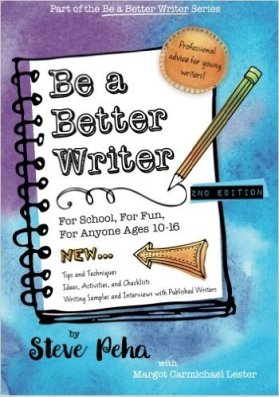
Below: Steve Peha – Integrated Literacy Model

Steve Peha’s Integrated Literacy model provides an excellent framework for discussing ‘flipping’. This model enables educators to build ‘flipping’ connections under each of the six sub-headings for reading and writing when planning.
How do you plan? How do you take advantage of the connections between reading and writing when planning?
Cheers Nina


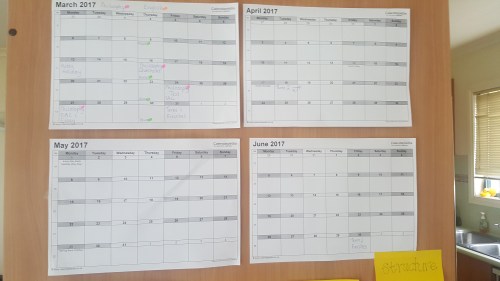


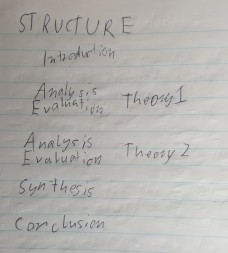
 Teaching genre is crucial for all ages. Structure helps the writer keep on track. We also revised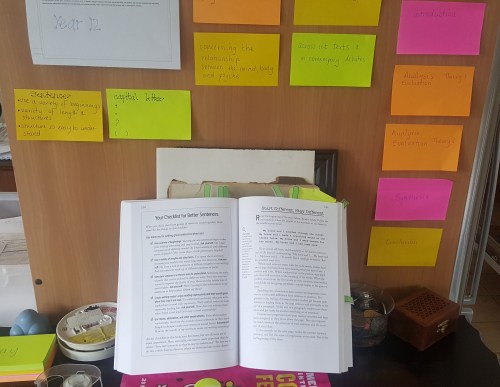

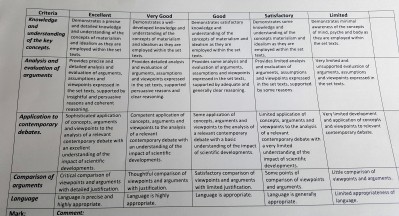 Mark and I reviewed the rubric for a Philosophy essay, particularly the language section. What does ‘Language is appropriate’ mean?
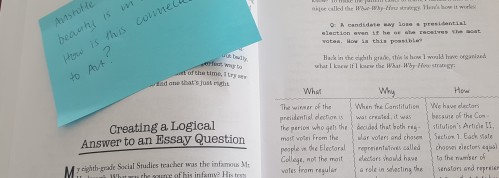
 Using Steve’s What-Why-How? strategy has helped Mark to look closely at the question and answer the actual question. When students don’t read the question carefully and continue to write an essay on a different topic, there is a problem. The What-Why-How? helps to eliminate this.
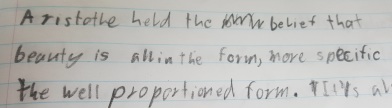
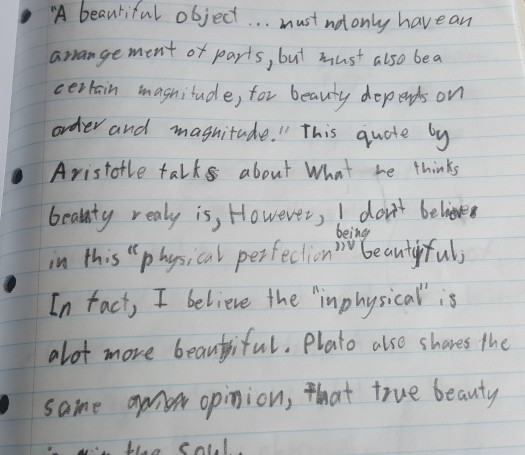
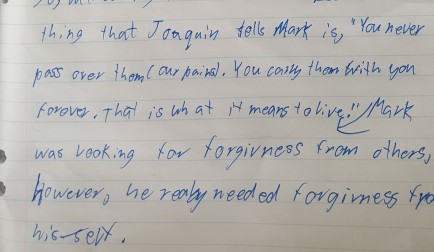
 Mark’s focus for our session was preparing for his Year 10 English test. He knew this test would entail writing an essay. Mark would be writing an essay on Scott Anderson’s Triage.
 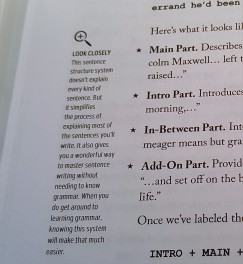 We have also been reviewing sentence structure. Chapter Seven focuses on Better Sentences and commences with the 10 things you need to know about sentences.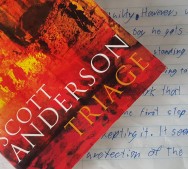
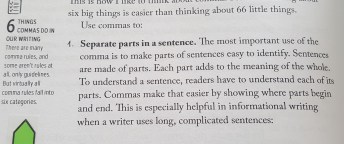
 Whilst putting this continuum together, I’ve been working with Mark on punctuation.
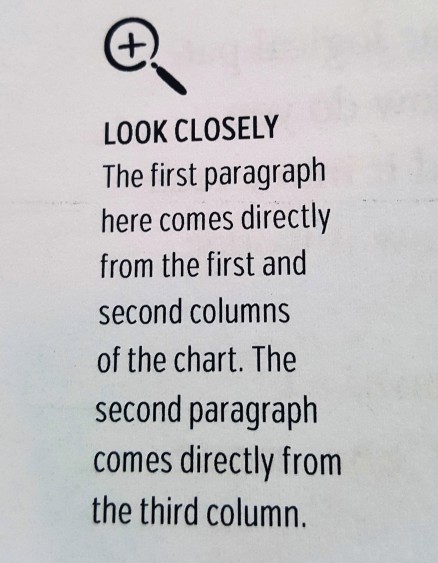
  Mark and I decided we would complete the activity Take an Edit Pass Approach to Correcting Your Own Work following Steve’s steps.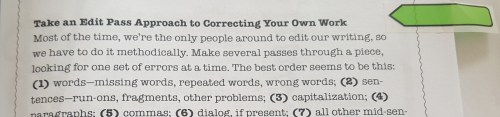


 I asked Mark to reflect on his learning, and reflecting is something we’ll explore further.

 Nina Davis: Teaching & Learning in Australia