Category Archives: Uncategorized

Day 12 of formal education for my Prep students (4 & 5 Year olds) – Independent Writing – Recount / Journal – Amazing!

I’ve written this post for the teachers new to Prep who have asked me  for support, and I’m always happy to do this. I always stress that I’m still a learner as well. I learn from others, professional reading and my students.  It’s day 12 of formal education for my Australian Prep students, and I’m amazed by their ‘have a go’ attutude. They are certainly displaying the IB – PYP Learner Profile – Risk Taker. Today I was amazed by their use of strategies, looking around the room, sounding long, saying short, prompting each other, referring to the alphabet tool cards and ‘thinking aloud’.

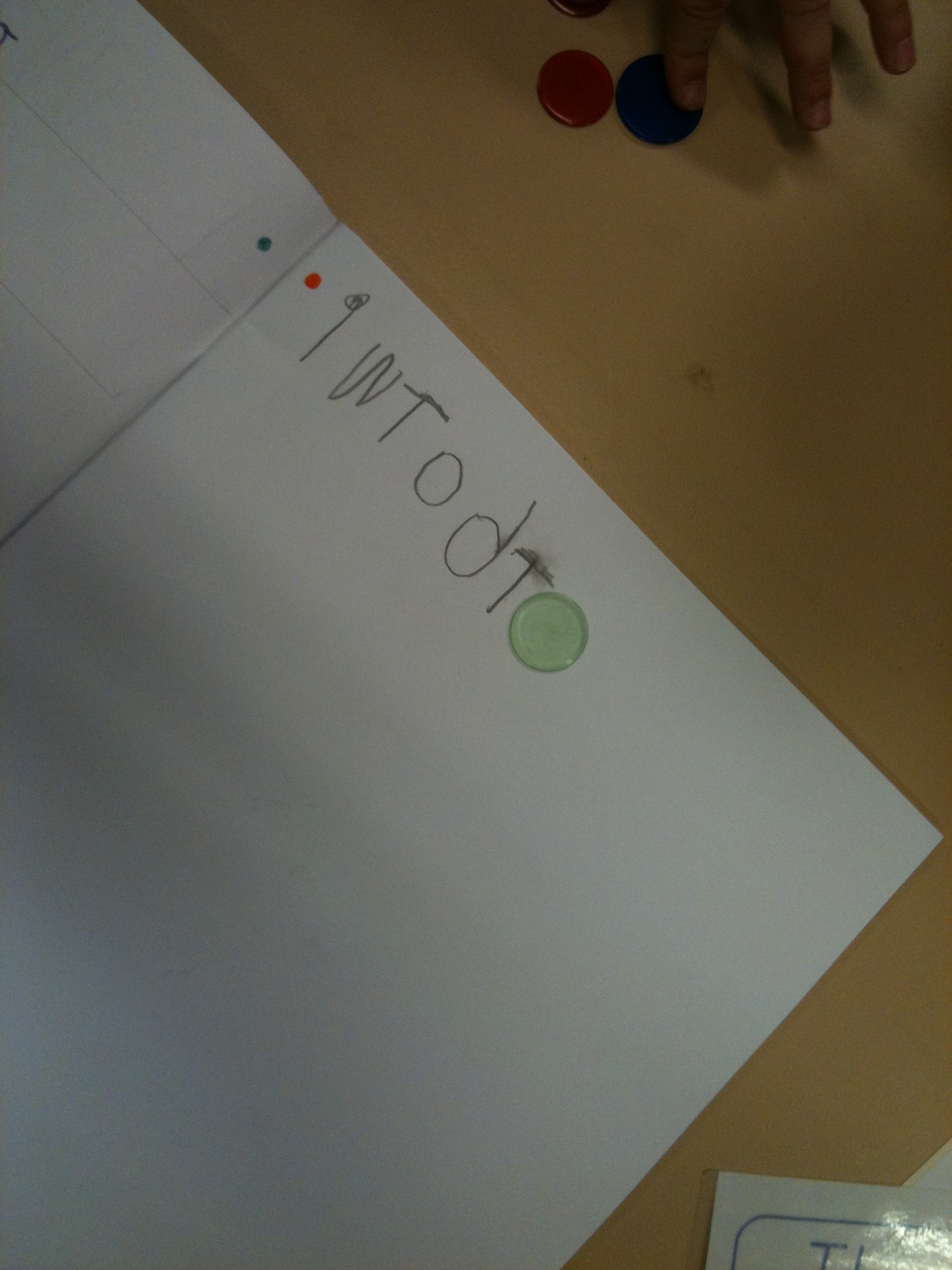
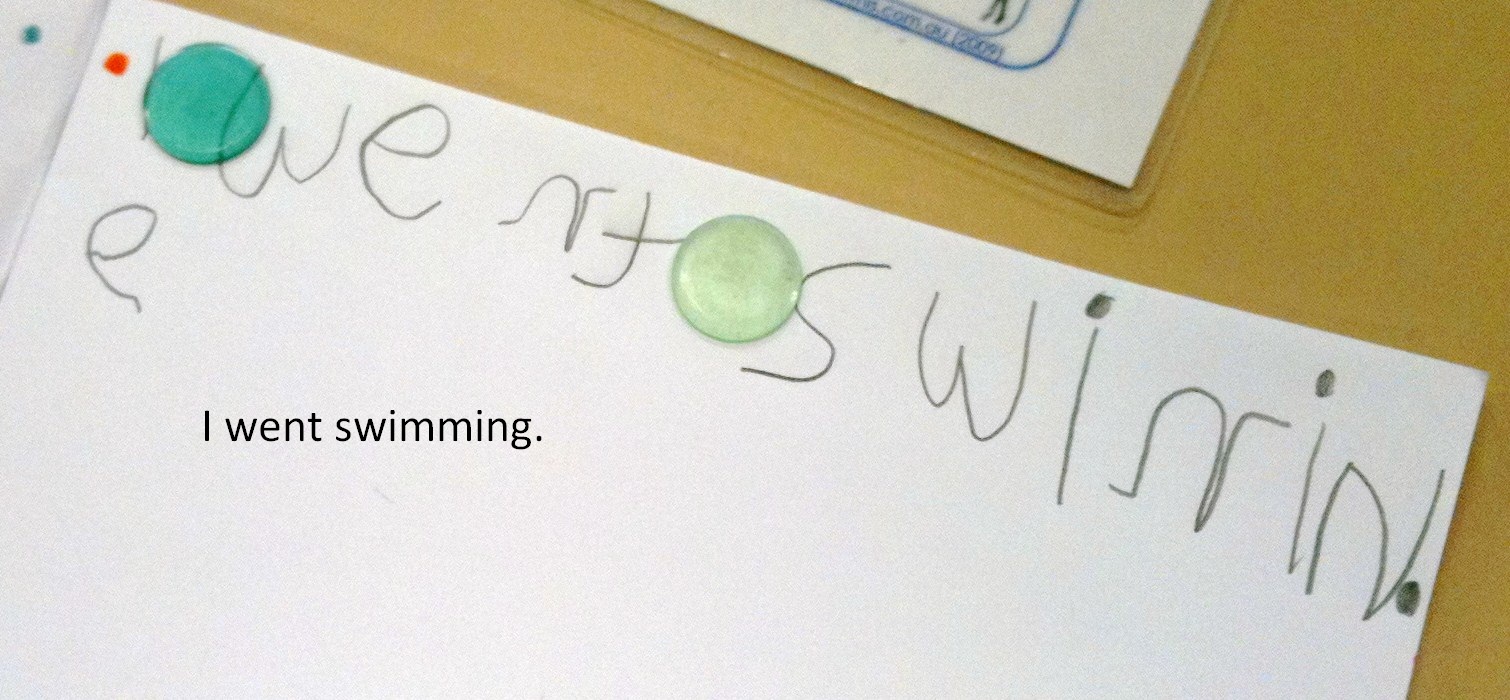
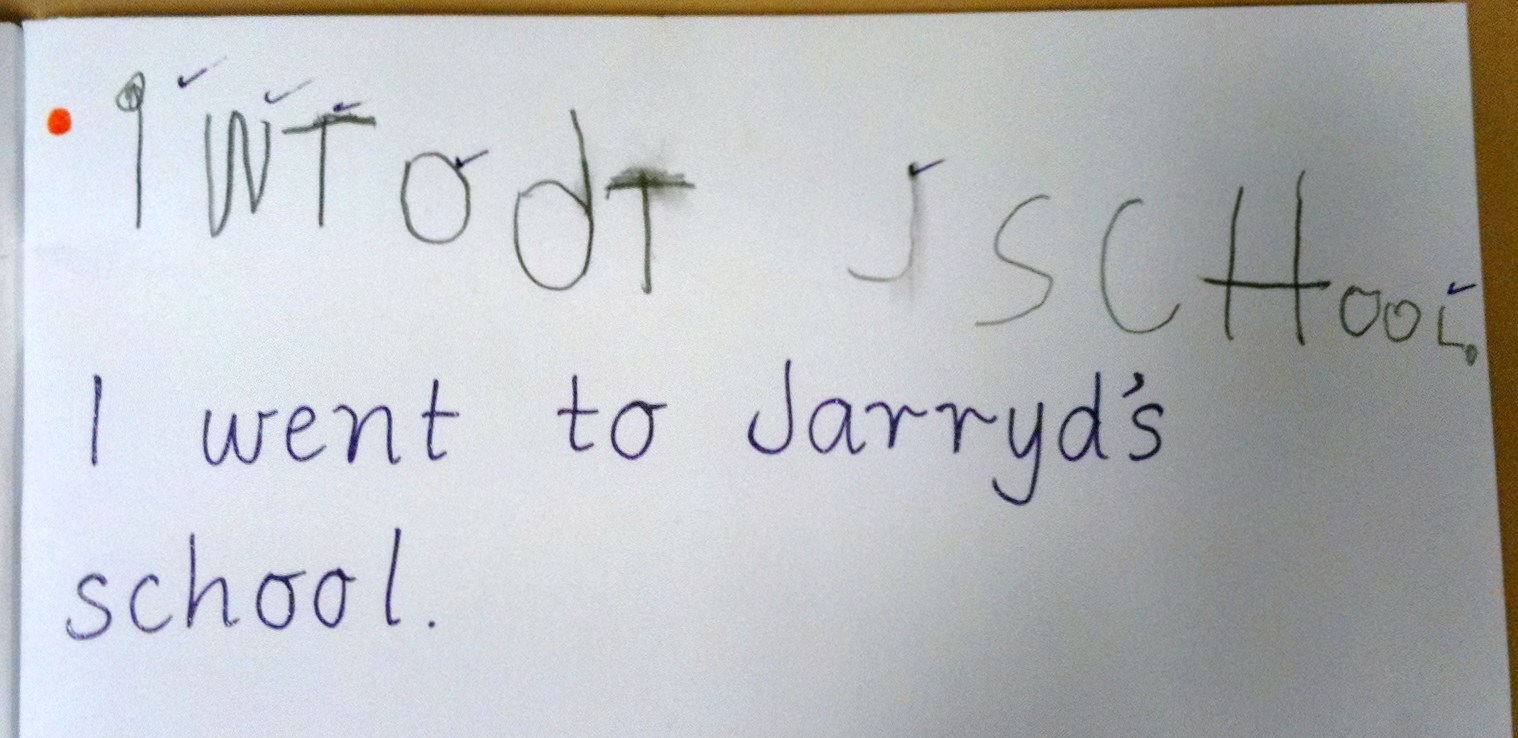
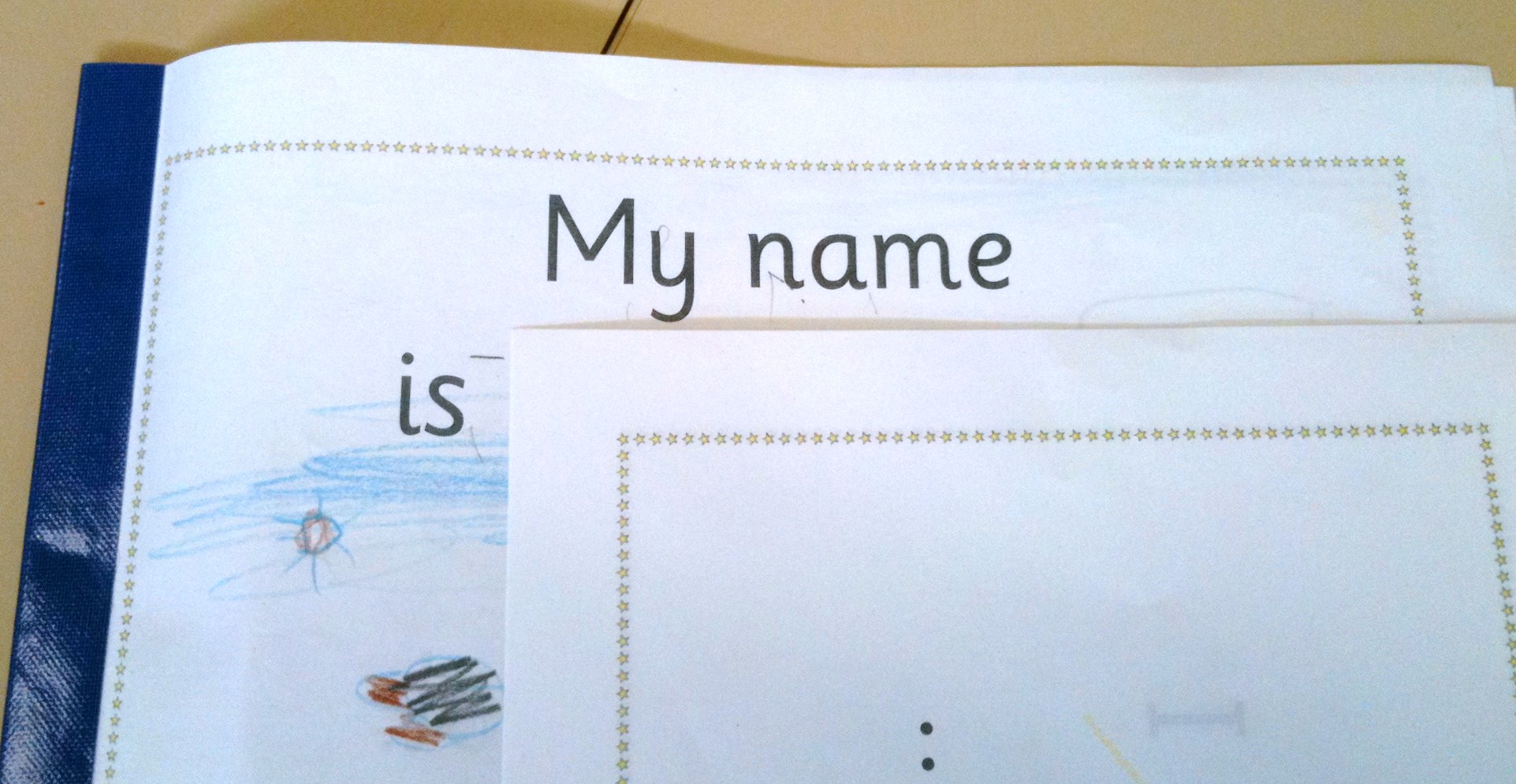
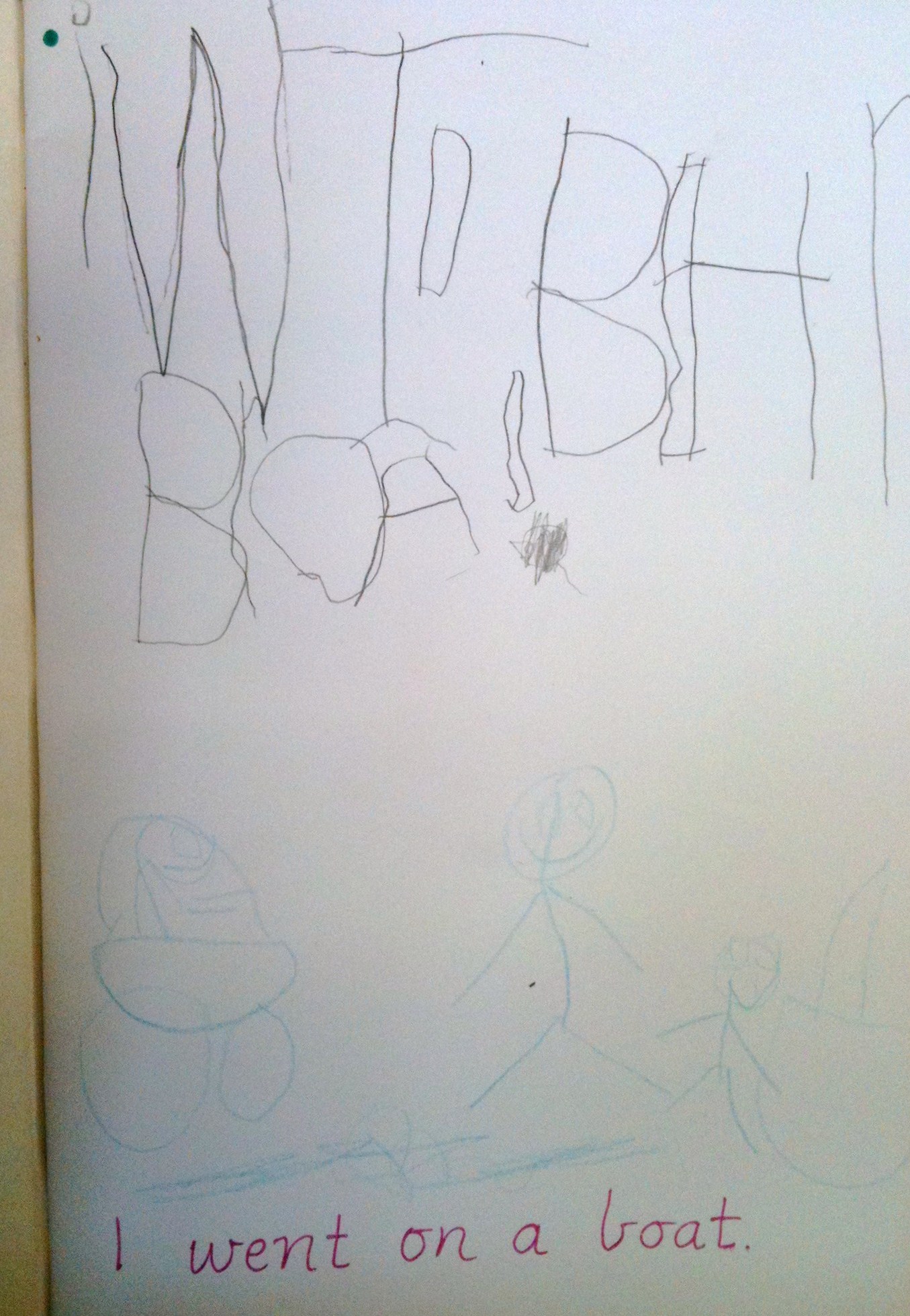
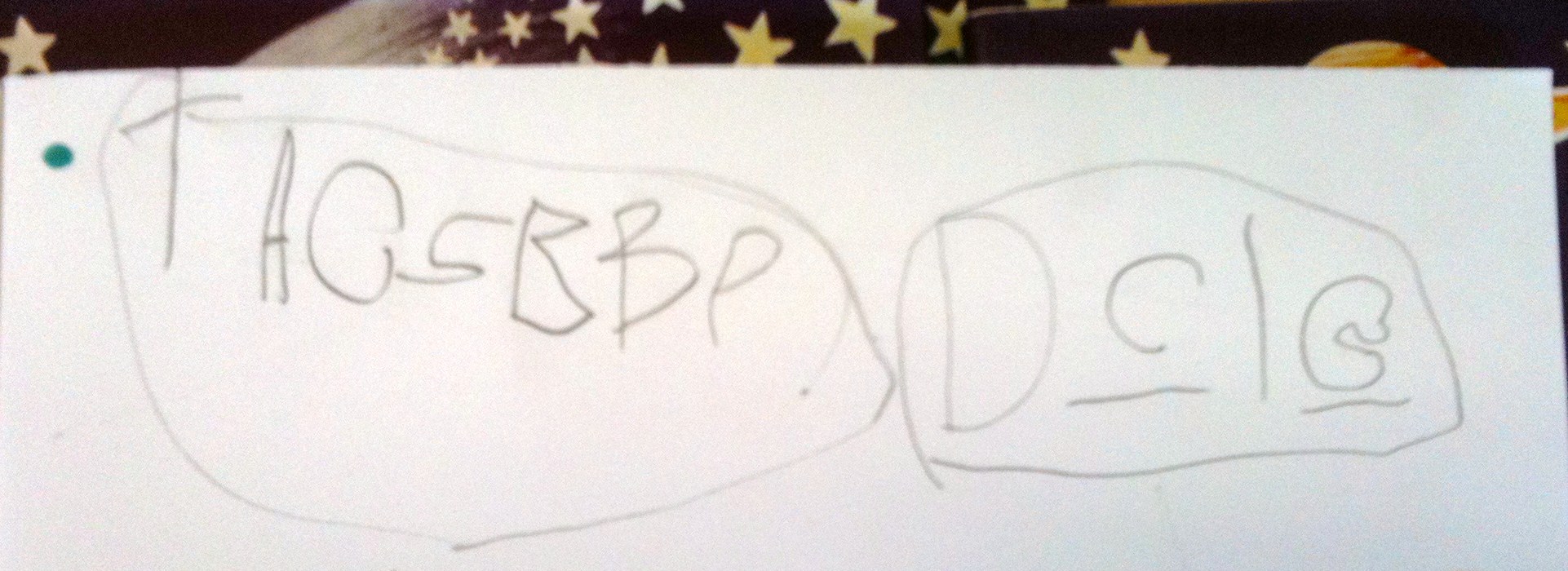
Today I modelled my own journal, using taught strategies, and ‘thinking aloud’. I asked my students for help, played ‘Hangman’ (without the picture) for some words to identify a missing letter / sounds, and referred to our tool cards.  I used spacers, and talked about capital letters. Our next inquiry will be: What is a capital letter? After writing my journal, I removed it. I want my students to write independently. To introduce the ‘concepts of print’, I constantly refer to the PM Emergent Writing Exemplar Big Books.

 Day 12 Journal Samples:


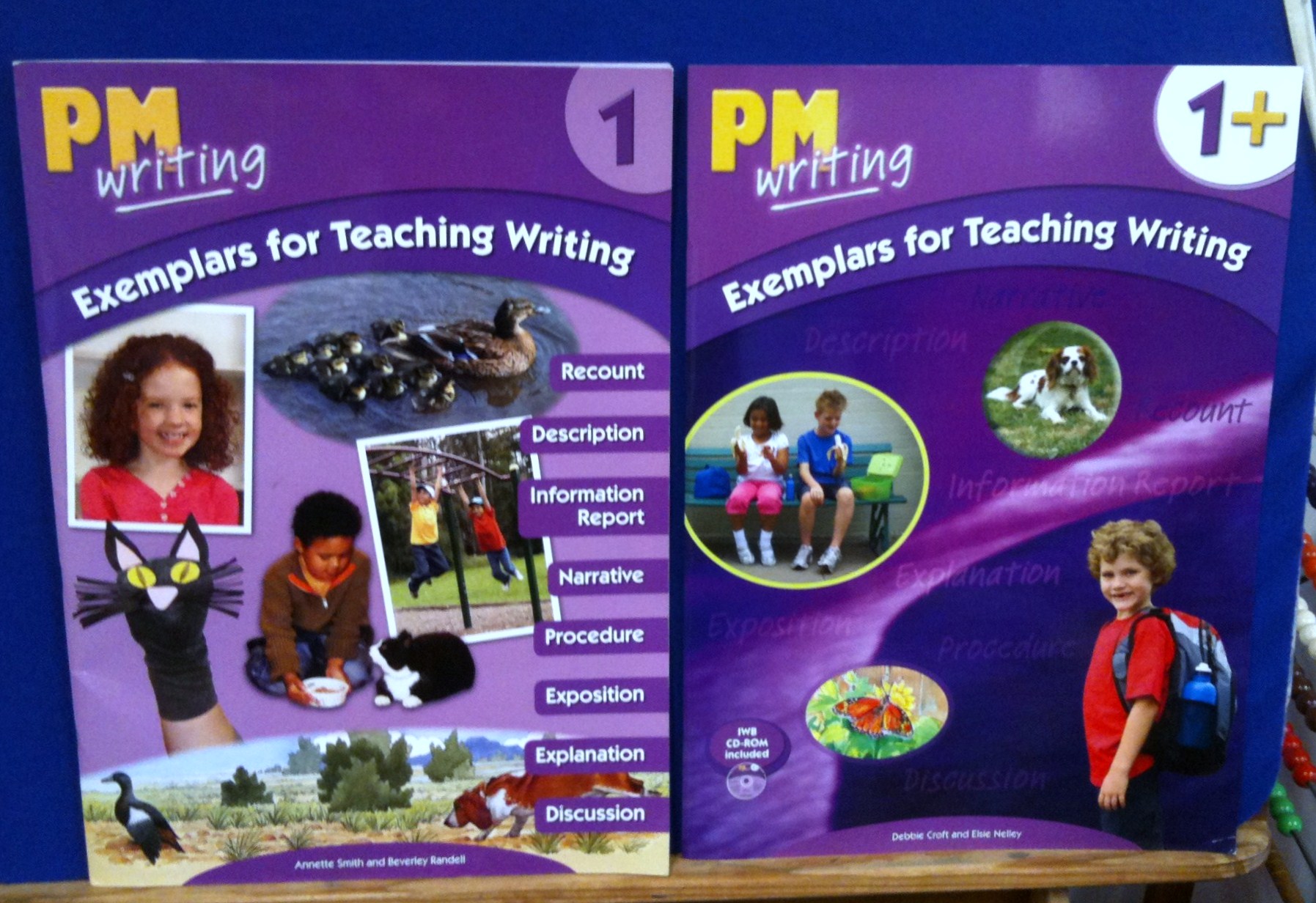
I’m using the PM Emergent Writng Exemplar Big Books to introduce initial concepts, but I’ll move on to PM Writing Book 1 later in the year & PM Writing 1+ for extension.


Our next writing session will be PrepD Student Led Interactive Writing. This is the strategy which I believe best supports young writers, and is perfect for older students.  There is no doubt in my mind that collaborative writing, where children use their collective knowledege to support each other makes a significant difference to student learning outcomes.

Cheers Nina

Leave a comment

Filed under Uncategorized

The Reading Wall – Language Experience & Our new sentence!

This quick post was written in response to an email I received asking for a little more information.


The ‘Everyday Reading Wall’.

Today we started a new ‘Language Experience’ little book.  Having just completed our first book, it was time to start our ‘Everyday Reading Wall’. The reading wall is created from the previous class made sentences and read everyday. Reading  games are played using the vocabulary. As we write more sentences, and  create more little books, our ‘Reading Wall’ grows. 

What is a sentence?

Today’s question for the children was: What is a sentence?  I want my students to use their inquiring minds, so each day we have  questions to answer. The children are exposed to writing, and books everywhere in the classroom.  They looked at books, displays, and shared their ideas with each other.  Looking carefully at sentences ‘around them’, they came up with the following ideas which were shared with the grade.

A sentence says something.

A sentence is made of words.

There are gaps between words.

A sentence  can be read.

A sentence ends with a fullstop dot.

Our New Sentence

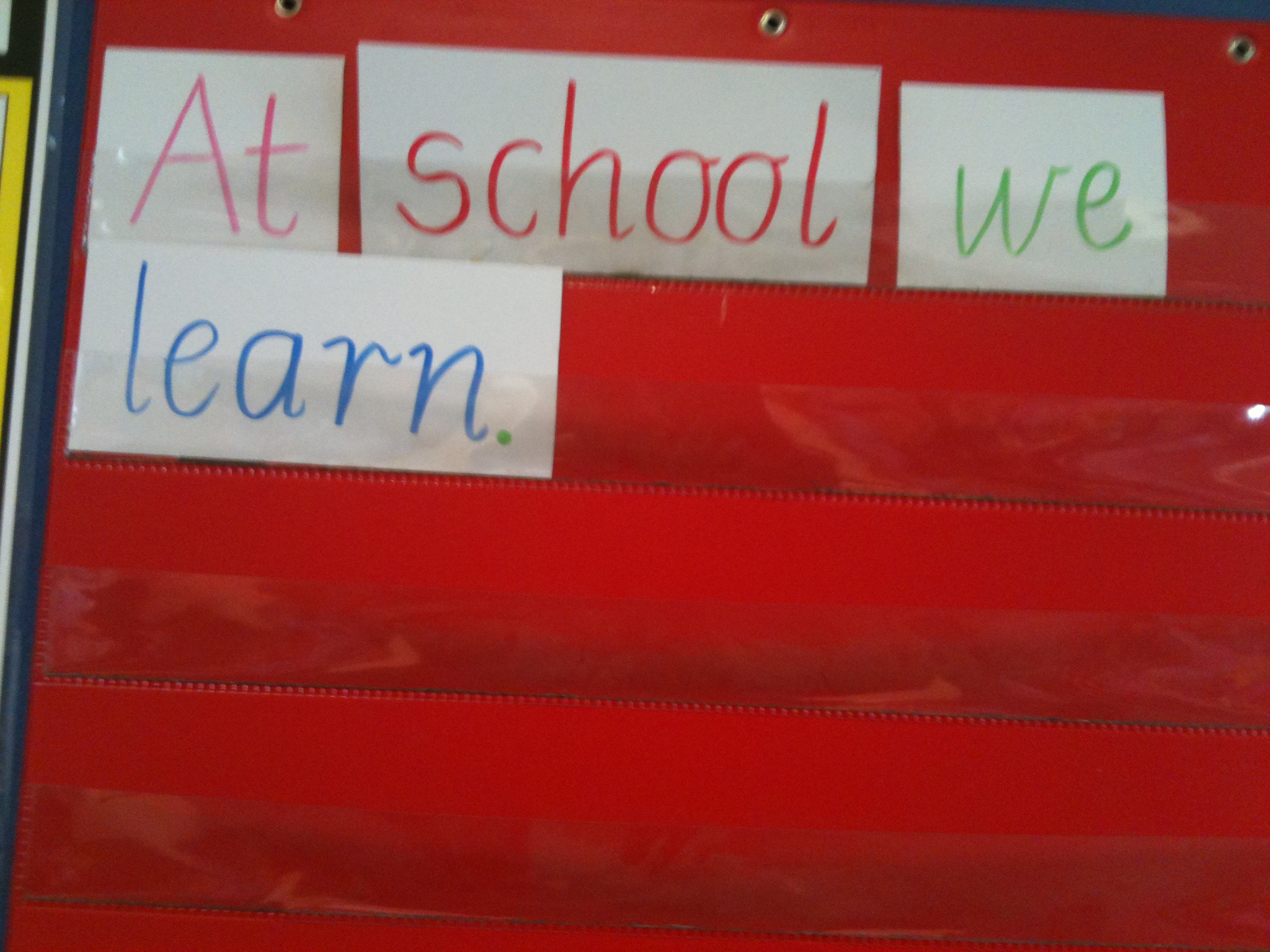
Today the children came up with a new sentence for our sentence strip board. Once we have four sentences, a new ‘Language Experience’ book will be made, and sent home to read. Using the children’s collective knowledge they collaborated as a grade to write the following sentence. We copied school’ from the reading wall. It was great to see the children referring to ‘words around the room’ for support.

The children sounded and stretched words long, and said them short. They ‘listened to their own voice as they sounded’, looked at the alphabet tool cards, and shared their ‘thinking aloud’. These are strategies I model everyday. What a wonderful attempt they made at writing the word learn. Once again writing spacers were used to create the gaps between words. These are magnetic spots for the whiteboard.

 Finally the children were given the sentence to trace. Having taught how to write an ‘a’ and ‘o’, I was interested to see how they formed these letters. I use the dotted Victorian script for this activity.

Hope this helps.

Cheers Nina

4 Comments

Filed under Uncategorized

Language Experience: Our first class made book, and a recount…

Young children starting their first year of school (Prep in Victoria, Australia)  have big expectations about school, and I don’t want to disappoint them. They want to learn, they want to be able to read, write, and know things about numbers. They want to explore the playground, make a new friend, and feel comfortable in their new environment … and paint a picture.

The philosophy behind the ‘Language Experience Approach’ underpins my teaching at this stage of the year.

What I think about, I can talk about.

What I can say, I can write.

What I can write, I can read.

I can read what I can write, and what other people can write for me to read.

The Language Experience Approach is powerful because it contributes to developing a strong oral vocabulary. It is well researched that children with good oral language find the path to literacy easier. All students draw upon their vocabulary when reading and writing no matter what level of schooling they are. 

This week my preps are illustrating and reading their first Language Experience book. This will be taken home, and read as part of my home reading program. The message I give parents is, it’s not glossy, it’s theirs, and it’s an important book. The book is created from sentences we are developing about a common experience, and starting school is the most obvious content choice for our first book. I started exploring Language Experience three years ago, and how I implement this has changed. It’s now about ‘less waff’. Is ‘waff’ a word?

As sentences are created they are written on sentence strips and placed in a sentence strip board. Once four sentences are created, a little book is made. Once the book is made, the sentences are removed from the board and glued to a large sheet of paper, prominently displayed, and read everyday. This strategy works!

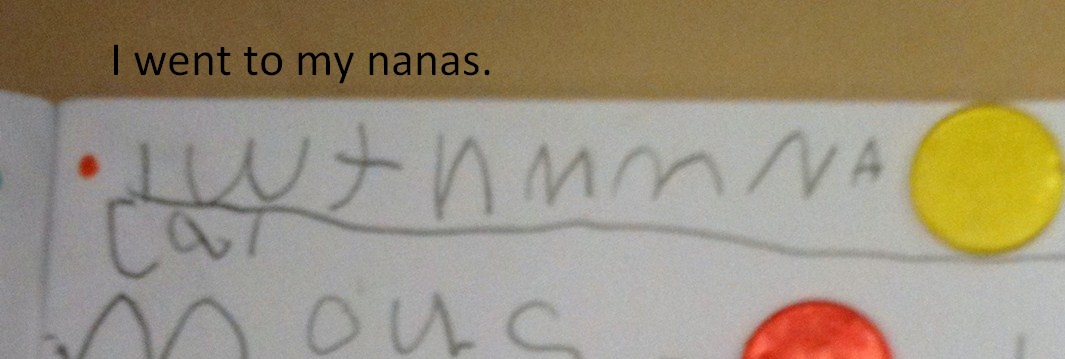
Today the children wrote their first journal. They have learnt about using a  writing spacer to use between words. Introducing the writing spacer this early in the year is new for me. They are also using a spacer between each word, instead of using one counter and moving it each time. I think this is a better strategy for this time of the year. Each child also has access to an alphabet sound card, and it was great to see these being used. It’s still early in the year, but have a look at their independent writing – sensational!


What a fantastic start these young writers have made. The last sample reads: I went to my nanas. I hope you enjoy seeing my student’s progress recorded this year. This is their 8th day of formal education!

Cheers Nina

4 Comments

Filed under Uncategorized

Day 6- First year of formal education in Victoria, Australia for my 2011 Prep students: 4 & 5 year olds. PrepD Student Led Interactive Writing – Collective knowledge combined with collaboration is powerful!

Day 6- First year of formal education in Victoria, Australia for my 2011 Prep students: 4 & 5 year olds.

It always surprises me how much these very young children collectively know. One might know an ‘a’, another can write it! Some can hear the beginning sound, others the end sound. This week I introduced PrepD Student Led Interactive Writing and they loved it. Each group had an alphabet chart for reference, and spacer counters for between words. Before writing, the children looked closely at the Emergent PM Writing Exemplar book to find out what a sentence is, what made a word, and how we end a sentence. I made a list of the attributes they noticed.

Here are their ideas

 Letters make words.

Some words have more letters.

Letters have a sound and name.

Words make sentences.

There’s a dot at the end. The dot stops the sentence.

There are spaces between words.

 Some letters are big, some are small.

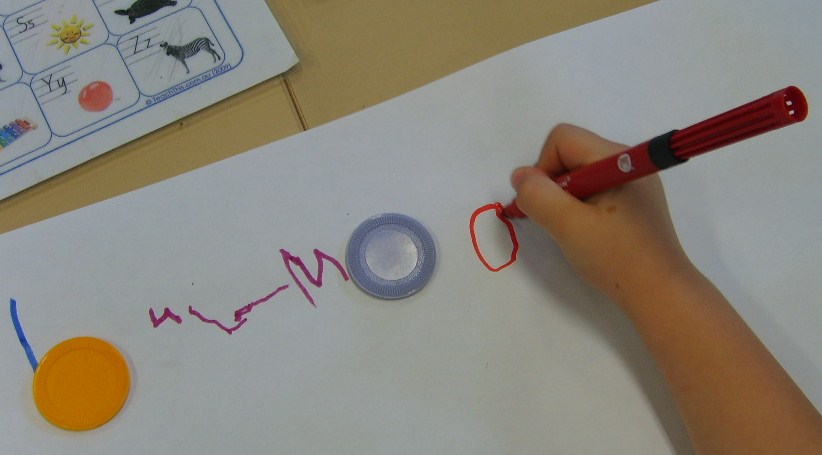
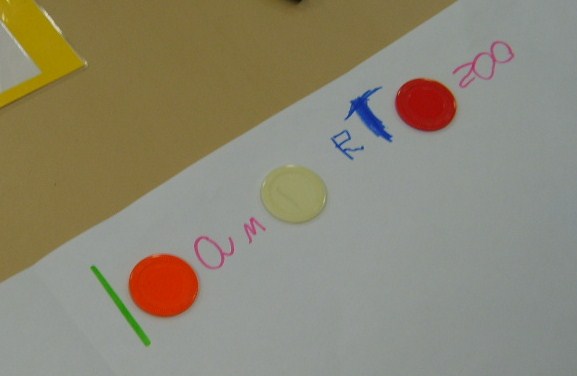
Armed with this knowledge, the children were put into random groups of 3/4 students with a leader chosen. All students will have a turn at leading a collaborative writing group. The leader is responsible for making sure children write their name down the side in their own color, and write their word of the sentence in name order. As this is the only time I allow the children to write in texta, it’s very exciting!

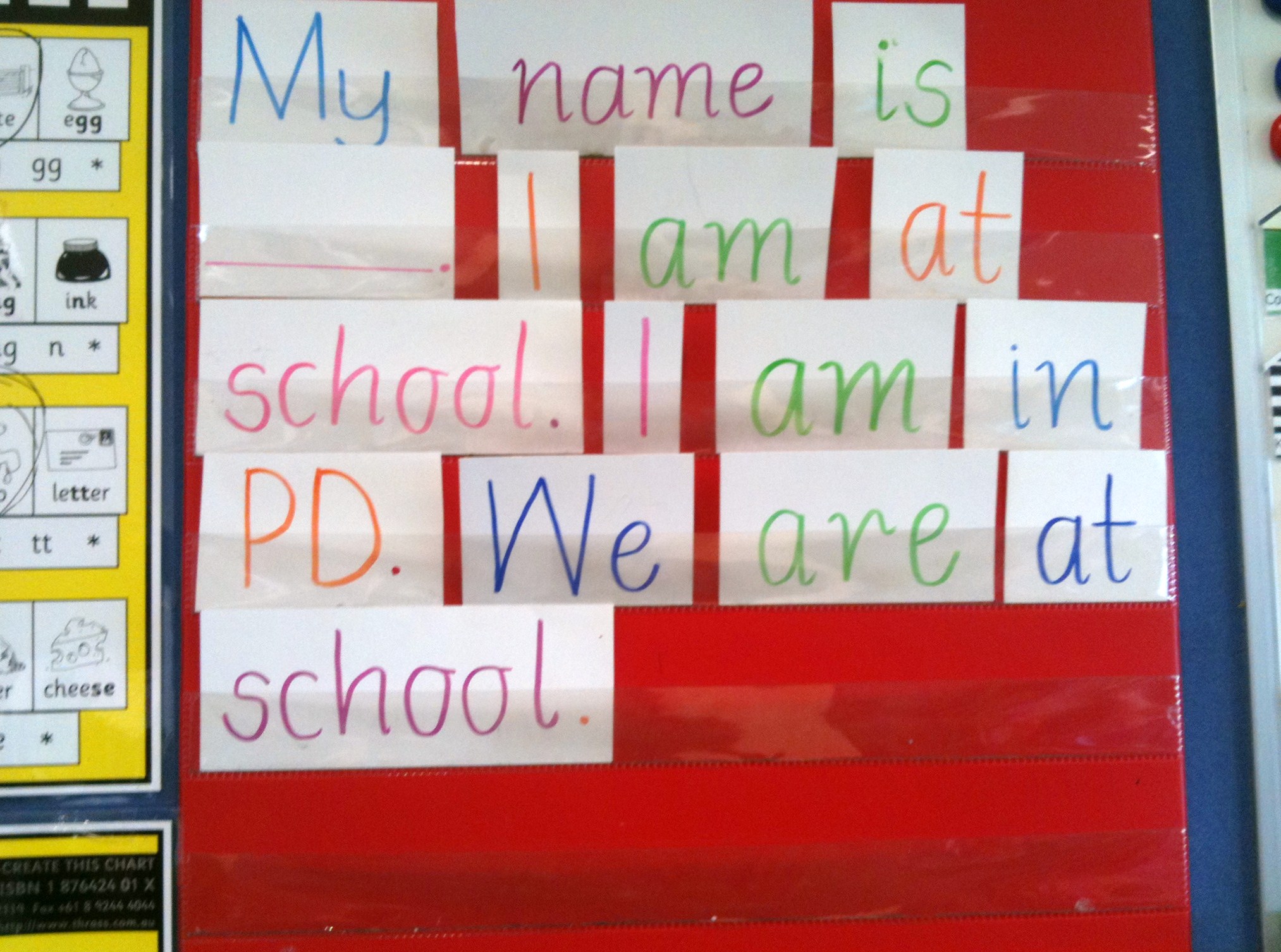
The children each write a word of our class sentence on their large sheet of paper. The sentence was: I am at school. I introduced ‘prompting’ with some success to these beginning writers. Prompting means the children are able to help, but not tell. This takes a while for the young children to understand, as they want to share what they know. However, I was absolutely amazed by how quickly they got going, and how well they collaborated, shared and supported each other! Amazing…


Cheers Nina

2 Comments

Filed under Uncategorized

The Leadership for Community Engagement Program funded by the Department of Education and Early Childhood Development, Southern Metropolitan Region jointly with Noah’s Ark Inc.

Last week I attended my first session of the Leadership for Community Engagement Program funded by the Department of Education and Early Childhood Development, Southern Metropolitan Region, Victoria, Australia, jointly with Noah’s Ark Inc.

Part of this program is to undertake a research project focussed on improving community participation in local services for young children and families. It’s also about leadership, and the qualities of an effective leader. Each participant is given a mentor for the duration of the program.

After arriving at the venue and having lunch, I met my mentor for the program. The mentors were invited to speak to the group about leadership, and what being a leader meant to them.  Rather than mention individuals names I’d like to list the ideas presented. We have been asked to reflect while we learn, and as this is my space to reflect I hope you enjoy reading what I’ve been learning!

 Leadership in a List

Being a leader is different to being a manager

It’s about finding solutions

Having courage and confidence

Being able to influence others

Speak a common language – find the common language so you can move forward

Empower

Enablement- moving barriers

Encouragement- encourage others to ‘think big’

Leave the profession in a better state

Deliver to every child, family

Deliver transformational change and coach how to measure change

Don’t shy from anything – get in and learn

Respect, listen – understand

Not a deficit model

Be capable of ‘unlearning’

Give others a voice and act on what they want

Empower others to solve problems – can’t fix it all

Collaborate

Flexibility is a key to being a leader – without flexibility you will impede innovation

Inspiring, innovative

A leader enables you to take risks – from this you gain experience to put into other aspects

Link with others

Partnerships- respectful – work ‘side by side’ with others

Spend time to tease out ideas

Put in structures which support collaborative practice

You can do great work in spite of the system

Do yourself out of a job!

Build a ‘treasury’ of good practice to help with evaluating actions – a way of capturing things which have been learnt – a way to demonstrate impact of changes and improvements

Slow down, think carefully

Think about how you bring people on board- what happened? Why?

Education- Lead families, lead teams, build the strengths of other people

Look for the difference- make service innovative for people

Listening to hear

Not being judgemental

After listening to each leader/mentor ,we reflected as a group on the items listed above. We also noted the following:

Mentors – feel an obligation to help others

Learn from your mentor: What does the mentor do that is supportive?

Each mentor had a different leadership style

All are successful in different ways

All confident in what they do

Believe in what they’ve done

Conviction of what they’ve done

So what is my project? Any ideas would be welcome.  I’d also  like to take this opportunity to thank Dr Elizabeth Mellor and Dr Anne Kennedy for a great start to the program.

Cheers Nina

Leave a comment

Filed under Uncategorized

What makes a school ‘high performing’ or an ‘improving school’? The Adaptive School – Garmston & Wellman 2009

On our first day back at school for the year we met as a whole staff to welcome in the 2011 teaching year, and also for staff development. We were given an extract titled ‘The Elements of Professional Community’ taken from The Adaptive School by Robert Garmston and Bruce Wellman -Christopher-Gordon Publishers, Inc (2009).  After forming expert groups we were asked to read and share one of the following areas.

  1. Compelling purpose, shared standards, and academic focus
  2. Collective efficacy and shared responsibility for student learning
  3. Collaborative culture
  4. Communal application of effective teaching practices and deprivatized practice
  5. Relational trust in one another, in students, and in parents
  6. Individual and group learning based on on-going assessment and feedback

My notes were extensive, but I’ve managed to put my learning into a number of dot points. I’ve also borrowed the book to read further.

  •  Schools need a strong academic focus to ensure conversations about teaching and learning are targeted and drive instructional improvement.
  • Collective efficacy enables group members to believe that they can carry out and achieve goals. Teachers together and individually believe they can overcome obstacles to reach goals.
  • In ‘high performing and improving schools’ collaboration is the norm. This is not contrived. Teachers work together sharing expertise on teaching and learning, review data and have a shared responsibility and desire to improve instruction.
  • In ‘high performing and improving schools’ deprivatized practice is valued. Teachers visit each other’s classrooms, to observe, coach, mentor and solve problems.
  • In ‘high performing schools and improving schools’ there is a shared understanding of instructional practices and a coherent instructional approach.
  • ‘Trust is the glue that binds communities, classroom communities and parent communities.’ The four elements of relational trust are: respect, competence, personal regard and integrity.
  • In ‘high performing and improving schools’ teachers are constantly learning and reflecting to improve student learning and teaching practice.

I intend to support these via my actions this year. My goals this year are around connecting, sharing, collaboration and effective listening.

 Cheers Nina

Leave a comment

Filed under Uncategorized

International Baccalaureate Organization Primary Years Programme Asia-Pacific In-school Workshop: Assessment in the PYP.

Teachers in Victoria, Australia use the first three days of the school year for Professional Development. My school completed the International Baccalaureate Organization Primary Years Programme Asia-Pacific In-school Workshop: Assessment in the PYP. Our presenters were David and Bec.

‘Assessment is integral to all teaching and learning. It is central to the PYP goal of thoughtfully and effectively guiding students through the five essential elements of learning, the acquisition of knowledge, the understanding of concepts, the mastering of skills, the development of attitudes and the decision to take action’ (MTPYP, 2007)

The two days were engaging due to a mix of thinking activities, videos and discussion. Discussions centred on the ‘principles of assessment’, assessment for learning, assessment as learning and assessment of learning.

Our professional development also included ‘the impact of sharing learning intentions’ with students, ‘the impact of process success criteria’ and ‘assessing for improvement’. We also spent time discussing and building our understanding of authentic assessment, and the ‘Backwards by Design Process’

And finally we spent time understanding reflective thinking, purposeful rubric development and the various types of conferences.

I’ve included this video shown to us: Take a look and have a laugh! It’s about curriculum.

I’d like to take this opportunity to thank David and Bec for a fabulous two days. 

Cheers Nina

2 Comments

Filed under Uncategorized

Visiting a Publishing Company: Nelson Cengage – Melbourne.


Visiting an Educational Publishing Company is eye opening. It’s quiet, calm, but you can feel the creativity ‘in the air’ and see it happening ‘within the walls’. There’s something special about a space where knowledge is sought and generated, visions become reality and creation takes place.

PM is a strong trademark and performer, but publishing is about knowing about the ‘what’s next’ and that’s where a classroom teacher’s experience comes to play. We teachers are creators. We’ve been doing it for years. If we can’t find the resource of choice, we make it – we create it!’ Less is more’. It’s about pedagogy!

Why would I still be thinking about Instructional Rounds while writing this? I now know that best practice is built upon the relationship between the teacher, student and content and the quality of the TASK.

 ‘It is what teachers think, what teachers do, and what teachers are, at the level of the classroom that ultimately shapes the kind of learning that young people get”. Andy Hargreaves & Michael Fullan

Great resources are essential, and I share them here, but it’s still the quality of practice, pedagogical understanding, and how a teacher uses a resource within the context of the task. It’s the strategies married to the resource, and the way the teacher puts their own stamp on it.

I’ve written a lot about a strategy I promote because I know it works. I’ve provided evidence of improved learning gains and that’s what it’s about. PrepD Student Led Interactive Writing is my adaptation on an existing strategy. Something I’ve been developing for three years, and considering how powerful this strategy is there is very little written about the teacher led version. Searching Student Led Interactive Writing is interesting. Take a look!

 At Nelson-Cengage I met Christine Mann, the Marketing Manager ( Primary), Rebecca Henson-  Publishing Editor (Primary) and Simone Calderwood – Publishing Editor (Primary). Meeting people involved with publishing was great. I’m always looking for inspiration, and I certainly found the experience beneficial. I’d like to take the opportunity here to thank Nelson- Cengage… and I enjoyed my lunch.

We’re back at school next week in Victoria, Australia. A new year full of new challenges!   

Cheers Nina

P.S What’s your favourite resource? Send me an email or write a comment here. I’d love to know! ndninadavis8@gmail.com

Leave a comment

Filed under Uncategorized

2010 in review

Before reading ‘2010 in review’, I need to share a little about myself as a writer. My lack of editing is evident, and my writing style needs work. I’ll be spending time reading and making corrections, but this will take time.  Improving my writing style is one personal goal for 2011.

When I started this blog in 2009, my goal was to write about the ‘work I do’ and ‘get it down’. Writing in such an open forum is about taking risks, and that’s what I needed to do first. It was all about ‘having a go’, and that’s exactly what I expect my students to do. This blog is a record of my practice. Doing the ‘work I do better’ is my goal, and I’m hoping that this is reflected in Nina’s Arena.

The stats helper monkeys at WordPress.com mulled over how this blog did in 2010, and here’s a high level summary of its overall blog health:

Healthy blog!

The Blog-Health-o-Meter™ reads Wow.

Crunchy numbers

About 3 million people visit the Taj Mahal every year. This blog was viewed about 26,000 times in 2010. If it were the Taj Mahal, it would take about 3 days for that many people to see it.

In 2010, there were 59 new posts, growing the total archive of this blog to 178 posts. There were 244 pictures uploaded, taking up a total of 86mb. That’s about 5 pictures per week. There are no photos of children in this blog.

The busiest day of the year was March 14th with 469 views. The most popular post that day was 436 visits to my blog TODAY- What brought you here?.

Where did they come from?

The top referring sites in 2010 were alphainventions.com, twitter.com, facebook.com, search.conduit.com, and en.wordpress.com.

Some visitors came searching, mostly for interactive writing, nina’s arena, concept based curriculum, ninas arena, and e5 instructional model.

Attractions in 2010

These are the posts and pages that got the most views in 2010.

1

436 visits to my blog TODAY- What brought you here? March 2010
4 comments

2

The ‘Concept Based Curriculum’ – Ken Robinson – Differentiated Teaching January 2010
10 comments

3

About me – Nina Davis January 2009
14 comments

4

Interactive Writing: 5 and 6 Year Olds – Linking sentences, using adjectives and ’rounding off’ passages! The essential strategy weaved into the Language Experience Classroom! September 2009
2 comments

5

A 5 turned 6 Year Old’s Journey Into Written Literacy: One child mapped for a year… November 2009
4 comments

Leave a comment

Filed under Uncategorized

2010: Me, the Constructivist – teacher – learner, seeker of answers and maker of questions!

Reflecting on my year is important… and 2010 has been special! I knew my year would be busy, but I didn’t realise just how busy. Teacher Professional Leave (TPL) is a ‘once in a career’ opportunity for state teachers in Victoria. My goal was to make the most of this opportunity, teach my students well, trial new ideas and resources, write about them, open my classroom to visiting teachers, continue my writing here and collaborate and connect with educators within and outside my school about best practice.

My TPL partner and I started our project with huge questions. What is ‘best practice’ in teaching and learning? What is the e5 Instructional Model (e5IM)? The second question seems quite simple, but it’s certainly not. Every question we had led to a series of new questions, think ‘mind map’ and you’ll  understand what I mean. What and more importantly how do you plan for, and embed the e5 Instructional Model into classroom practice. What are the implications for whole school and classroom planning? What will this planning look like? Best practice and the e5 IM are not only linked, you really can’t have one without the other.

Our overall goal was to improve our own teacher practice, and to support others through sharing our learning. We were going to ‘be seen’ and be proactive in our quest. It’s a lot easier when you have a partner to work with because you can challenge each other’s ideas, encourage, and when the ‘going gets tough’ support each other. You can also move out of the ‘land of nice’ into the ‘land of challenge’, which we did on many occasions. Conversations around educational philosophy and teaching and learning, are necessary to bring about the ‘thinking’ needed for professional change.

Developing a collegial relationship based on honest discussion is vital, and being honest about your own practice crucial. Being an experienced teacher doesn’t guarantee best practice. Putting on a ‘learner’s hat’ and being a non-judgemental critical friend to yourself is the first step. Being prepared to relearn and throw out some existing practice in order to start again is daunting, but essential.

So what did I understand about engage, explore, explain, elaborate and evaluate? How was I developing these domains within my teaching and learning? What capabilities were developing or evident in my practice, what were the performance indicators, and quality criteria being used, if any? Big questions! Which brings me to the quote below: –

‘Over the long term it is impossible to improve student performance without eventually improving the quality of teaching and learning that occurs in classrooms and schools. (Elmore 2004)

This simply meant that in order to improve the performance of my students, I needed to improve my practice, and to do this I needed to know what best practice is! I needed to know what my teaching philosophy was. I now know that I am indeed a Constructivist!

My TPL partner and I knew we wanted to connect and collaborate with educators locally and globally.  We know best practice doesn’t have borders. Improving teacher practice isn’t isolated to Victoria, Australia. The issues are the same everywhere, and when you start interacting in different forums you realise that educators are seeking the answers to these questions locally, across Australia and globally. This was an opportunity to learn about best practice from across the globe. Interest in the Victorian e5 Instructional Model is significant because there are very few resources which describe teacher practice and identify best teacher practice so well. More questions…How do you know what best teacher practice is without descriptors? Where do you start conversations around teacher practice without direction? Having a model provides focus and direction.

Unpacking the e5 Instructional Model, understanding what the model means to teacher practice and being able to articulate this to colleagues is pivotal to our TPL success criteria. So what did this model mean to educators and how would it be used and introduced in schools? We needed to understand and answer these questions? This is where having a PLN to support us has helped.

Using Ning, a social networking platform to start a Professional Learning Network (PLN) seemed to be where we needed to start. We had no idea of the challenge hosting a PLN would be. Encouraging others to share their ideas is hard, and we’ve found that educators are hesitant about putting their ideas out in a world forum. Collaboration between members of the PLN has been happening, but more via direct messaging basis. However, sharing has taken place, forum questions are discussed and personal research continually shared in the Ning. It has been amazing to see the calibre of educators joining this group globally.

As part of our TPL, my principal organised for us to join the Southern Metropolitan Region of Victoria Australia Instructional Rounds Program. Firstly our role was to be full participants of this professional development, and secondly to report for this group. Our reporting vehicle has been the Ning.

Being part of the Instructional Rounds (IR’s) program, a long with the e5 Instructional Model gave the focus needed to drive our project. Completing a review of current literature led us to find that this was indeed a global school improvement strategy designed to change school culture, the role of the principal and school leadership- sought of a ‘top down model’ that will eventually include teachers in the classroom. The principal is now seen as an Instructional Leader and for some this is a shift in their role.

 ‘It is what teachers think, what teachers do, and what teachers are, at the level of the classroom that ultimately shapes the kind of learning that young people get”. Andy Hargreaves & Michael Fullan

 Being part of the Instructional Rounds Pilot was challenging, interacting with a large group of principals a little intimidating, but this was our issue. The group were very welcoming, and it was interesting to listen to the discussions taking place. This group were knowledgeable, and my respect for role of a school principal has grown out of this experience. It is a complex role requiring the wearing of many ‘hats’.

Another professional development opportunity came my way in 2010. I was being trained as an Ultranet Lead User. Any initiative designed to move teaching and learning into the 21st century will have my full support. Hey, I’ve spent two years skilling myself for this! The Ultranet may have had a few ‘teething problems’, but this was to be expected. Victorian State Education is taking a massive leap forward and I welcome this! I can see the potential, but also recognise using the full capabilities of the Ultranet will take time to embed into classroom practice.   

Finally, because this post is becoming increasingly long, I need to say that my blog is important to me; it’s where I reflect, and share my practice with others. I still read back and even think about deleting some posts, but it’s a record of my changing practice as well. I write about the ‘work I do’ as a classroom teacher, and as a learner.

Thank you for visiting this space, sharing with me, emailing and leaving comments. It always amazes me how many people visit this space. Finally, I wish all a safe, happy and prosperous 2011.

Cheers Nina

Leave a comment

Filed under Uncategorized